




In eastern Libya, a small group of archaeologists is working to safeguard the ancient ruins of Cyrene and Apollonia, Greek-era sites that have faced looting, neglect and the devastation of Storm Daniel.
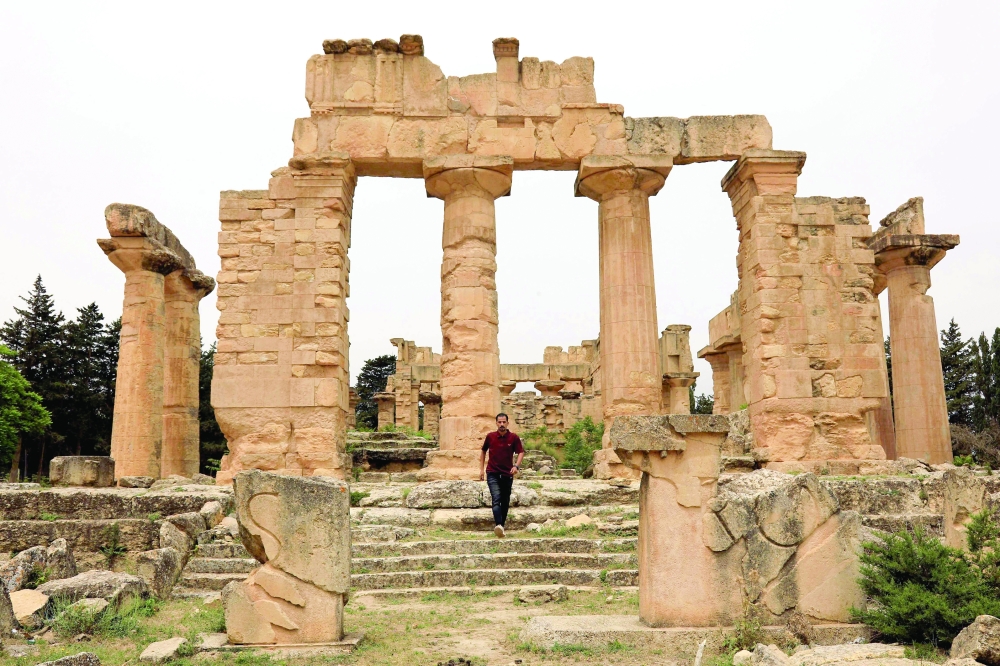
The Unesco-listed remains once formed part of a network of Greek colonies along the North African coast. At Cyrene, guide Hamdi al Kailani looks across the imposing Temple of Zeus, which he says is slightly larger than Athens’ Parthenon.
Today, the site is calm. But after the 2011 fall of longtime ruler Muammar Gaddafi, Cyrene and other eastern Libyan heritage sites became vulnerable as state institutions weakened.
“We were so afraid”, said Smail Dakhil, who oversees the dilapidated Museum of Cyrene. It holds statues of Apollo and Zeus, as well as a store of more than 40,000 artefacts salvaged from the ancient city.
Dakhil said colleagues hid small statues, gold coins and archives in their homes. Larger pieces, including a rare female sphinx, could not be moved, so volunteer archaeologists and residents guarded the sites around the clock.
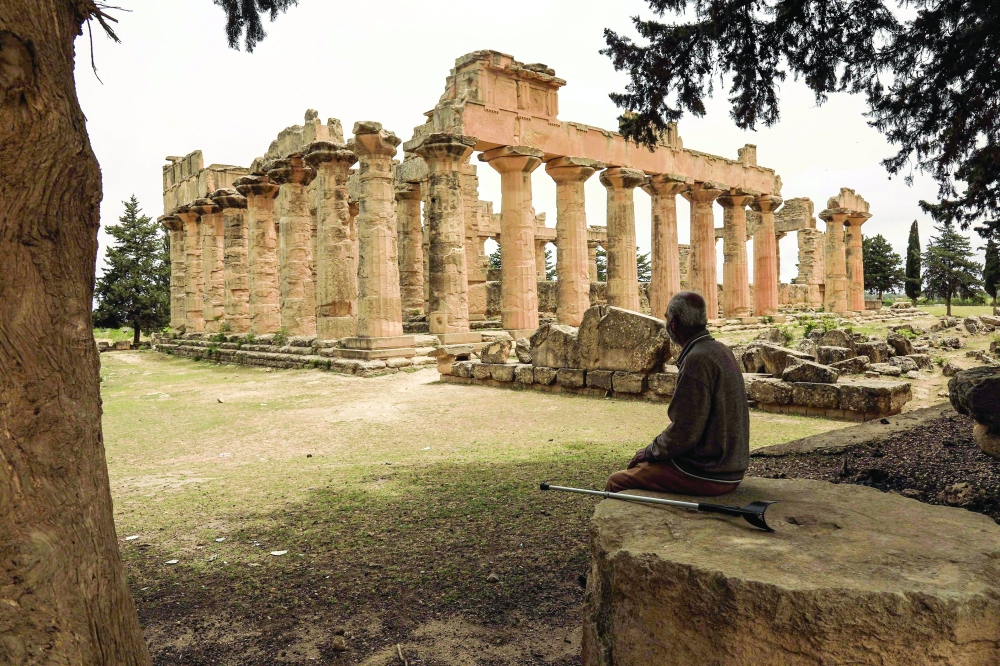
Cyrene was founded in 631 BC by settlers from Thera, now Santorini, alongside four other colonies: Apollonia, Ptolemais, Arsinoe and Berenice. At its height, it had as many as 100,000 inhabitants and developed a rich intellectual life around arts, music and science, with theatres and a school of philosophy.
Earthquakes and wars reduced the cities to ruins, which were rediscovered in the 18th century. Under Gaddafi, Libya’s pre-Islamic heritage received limited attention amidst an official focus on pan-Arabism.
Then, in 2023, Storm Daniel brought catastrophic floods to Derna, around 100 kilometres east of Cyrene, killing thousands and damaging surrounding archaeological areas.
“The day after, everyone who loves this site came by”, said Anis Hamid Younes, who is leading restoration along the sacred pathway linking upper Cyrene to the Temple of Apollo. “We were in shock”.
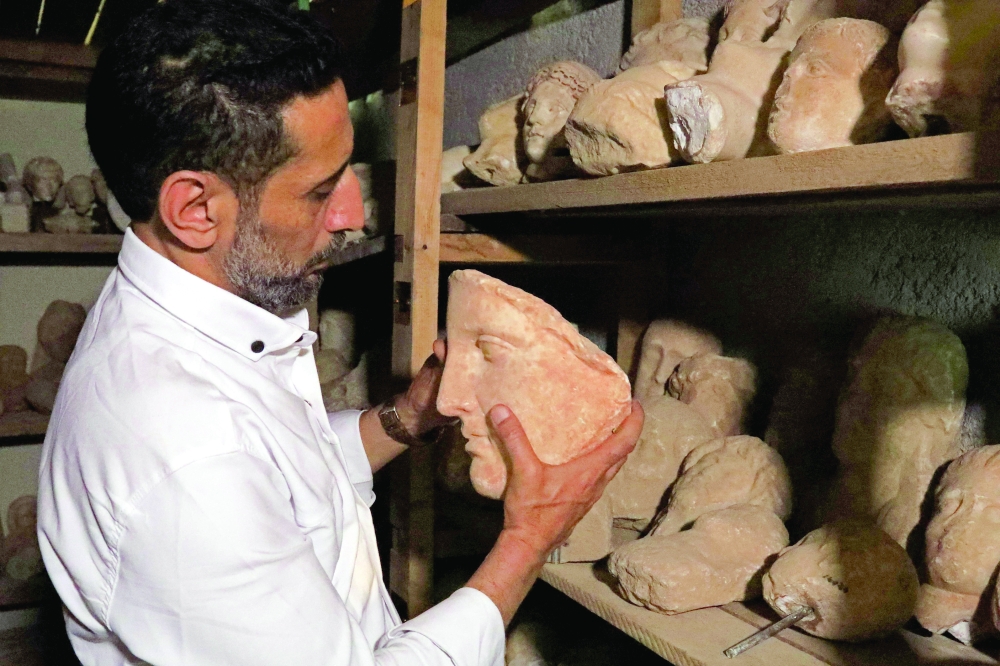
His team has spent months clearing rubble, recovering objects and rebuilding a sanctuary and nearly 60 metres of an ancient wall. Despite outdated equipment and scarce resources, he hopes the area can reopen to visitors in September.
The storm also revealed new finds, including engravings and funerary offerings among thousands of Greek and Roman tombs.
At Apollonia, Cyrene’s former port about 20 kilometres away, the threat is increasingly urgent. A third of the site has already been submerged over centuries.
“Before Daniel, we estimated the risk of losing the site at 50 per cent. Now it’s 80 per cent”, said Talal al Hasey of the Department of Antiquities, warning that marine erosion has left some structures fully exposed.
Officials have called for international support and greater national investment in heritage. Ahmad Essa Abdulkariem, a senior antiquities official, said Libya should look beyond oil and build tourism around its cultural legacy.
“Oil will run out one day, while these sites will exist forever”, he said. — AFP
Oman Observer is now on the WhatsApp channel. Click here